
Table of Contents
Introduction – Why Digital Marketing Matters Today
In the past decade, the internet has quietly rewritten every marketing rule. Customers no longer depend on billboards or newspaper ads to make buying decisions. They scroll, search, and stream; they check reviews, compare prices, and interact with brands online before spending a single rupee. For any business that wants to be visible, relevant, and trusted, digital marketing has become the heartbeat of growth.
Learning digital marketing online is no longer limited to IT professionals or marketing graduates. Students, small-business owners, freelancers, even teachers and artists—anyone can gain these skills to build an audience or grow a business from anywhere. The online learning space gives you everything: step-by-step video lessons, virtual projects, discussion forums, live webinars, and updated tools that match real industry standards.
What Is Digital Marketing & Its Core Components
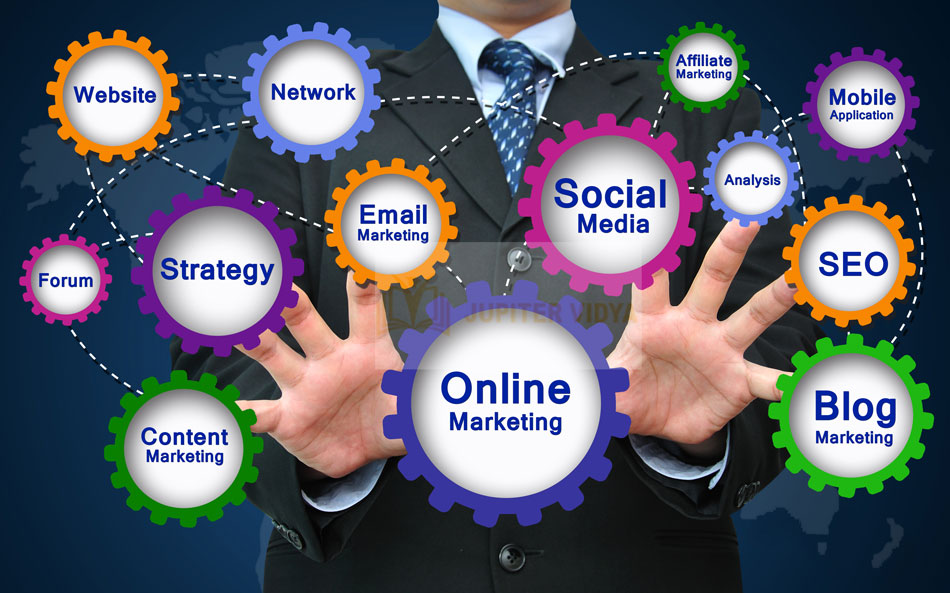
Digital marketing refers to promoting products, services, or brands using digital platforms and technologies. Unlike traditional marketing that relies on physical media such as newspapers or television, digital marketing connects businesses directly with customers through the internet. It allows marketers to reach specific audiences, measure real-time performance, and adjust strategies instantly — something that was nearly impossible a few decades ago.
At its core, digital marketing is not just about posting on social media or running ads. It’s an integrated approach where multiple channels work together to build brand awareness, attract traffic, convert leads, and retain loyal customers. Below are the main components every learner must understand to build a strong digital foundation.
Search Engine Optimization (SEO)
SEO is the backbone of online marketing. It’s the process of improving your website’s visibility on search engines like Google. When people search for information, they usually click one of the first few results. SEO helps your website appear there organically — without paying for ads.
Learning SEO involves understanding keywords, on-page optimization, backlinks, and technical SEO (like page speed and mobile usability). The goal is to make your website search-friendly and user-friendly at the same time. With proper SEO knowledge, you can bring free, consistent traffic to your site and build authority in your niche.
Content Marketing
If SEO is about visibility, content marketing is about value. It focuses on creating useful, informative, and engaging content — blogs, videos, podcasts, or infographics — that attract and retain your audience. Instead of hard selling, content marketing builds trust. People don’t like being sold to, but they love to learn and get value.
When learning digital marketing online, you’ll explore how to write content that ranks and resonates. You’ll understand how storytelling, tone, and relevance influence readers’ decisions. Quality content builds long-term relationships and turns casual visitors into loyal customers.
Social Media Marketing (SMM)
Social media has transformed how brands communicate. Platforms like Facebook, Instagram, LinkedIn, and X (formerly Twitter) help businesses connect with audiences directly. Social media marketing involves managing profiles, creating campaigns, running ads, and analyzing performance metrics.
Online courses often teach how to design engaging posts, schedule content, use hashtags effectively, and run paid campaigns. More importantly, they teach how to interpret insights — understanding what works and why. Social media marketing is also one of the fastest-growing freelance fields in India today.
Pay-Per-Click Advertising (PPC)
PPC is the paid side of digital marketing. It includes Google Ads, YouTube Ads, and social media advertisements. You pay only when someone clicks your ad, making it highly measurable and cost-efficient if managed wisely.
Online learners gain hands-on experience through live dashboards and simulation tools. They learn to set budgets, choose target audiences, write ad copy, and track ROI. PPC is ideal for businesses wanting quick visibility and conversions.
Email Marketing
Despite being one of the oldest forms of online communication, email marketing remains one of the most powerful. A well-crafted email campaign can drive traffic, sales, and customer loyalty. It’s personal, direct, and measurable.
In online digital marketing programs, you’ll learn how to segment audiences, design newsletters, write effective subject lines, and automate sequences using tools like Mailchimp or HubSpot.
Analytics and Conversion Optimization
All marketing efforts must be measurable. Analytics teaches you how to read data and make smarter decisions. Tools like Google Analytics, Search Console, and Meta Insights help track performance, traffic sources, and user behavior.
Conversion optimization focuses on improving results — making more people take the desired action, whether signing up, purchasing, or downloading. Understanding analytics is what turns an average marketer into a strategic one.
Affiliate and Influencer Marketing
These newer branches of digital marketing rely on collaboration. Affiliate marketing rewards partners (affiliates) who bring in customers, while influencer marketing uses the power of popular social figures to promote products. Learning these systems helps you understand modern consumer psychology — where trust, not just ads, drives sales.
How to Learn Digital Marketing Online Effectively
Learning digital marketing online can be one of the most rewarding journeys for students, job seekers, entrepreneurs, and professionals looking to upskill. However, with so many online resources available, it’s easy to feel overwhelmed. The key lies in following a structured approach — combining theory, practice, and continuous learning. Below is a complete roadmap on how you can learn digital marketing online effectively.
Start with the Basics
Before diving into advanced tools or paid ads, it’s crucial to build a strong foundation. Begin by understanding what digital marketing is, why it’s important, and how each component (SEO, social media, content, PPC, etc.) connects to form a complete marketing strategy.
You can start with free resources from reputable platforms like:
- Google Digital Garage
- HubSpot Academy
- Coursera
- Skillshare
- YouTube tutorials
These platforms offer free beginner-level courses with certifications that give you a solid grasp of marketing principles.
Choose the Right Online Course
Once you’ve covered the basics, the next step is enrolling in a structured online digital marketing course. A good course should cover:
- SEO and keyword optimization
- Social media management
- Paid advertising (Google Ads, Facebook Ads)
- Email marketing and automation
- Analytics and reporting
Popular learning platforms include:
| Platform | Course Example | Features |
|---|---|---|
| Google Digital Garage | Fundamentals of Digital Marketing | Free certificate, beginner-friendly |
| Coursera | Digital Marketing Specialization (University of Illinois) | Academic approach, practical tasks |
| Udemy | Complete Digital Marketing Course | Lifetime access, affordable |
| Simplilearn | Digital Marketing Specialist Program | Industry certification, mentor support |
These courses offer both theoretical knowledge and hands-on practice, helping you learn at your own pace.
Learn by Doing (Practical Experience)
Digital marketing is a skill-based field, and you learn best by doing. Create your own small project — a blog, a YouTube channel, or even a social media page — to experiment with real strategies.
For example:
- Practice SEO by optimizing your website’s blog posts.
- Try social media campaigns to increase engagement.
- Experiment with email marketing tools to build a subscriber list.
This hands-on experience not only deepens your understanding but also builds your portfolio, which is valuable when applying for jobs or freelance projects.
Master Digital Tools
Every successful digital marketer uses tools to simplify tasks, analyze data, and track performance. Some essential tools include:
| Category | Tools |
|---|---|
| SEO | Google Search Console, SEMrush, Ahrefs |
| Social Media | Buffer, Hootsuite, Meta Business Suite |
| Analytics | Google Analytics, Hotjar |
| Email Marketing | Mailchimp, Sendinblue |
| Design | Canva, Adobe Spark |
Familiarizing yourself with these tools helps you manage campaigns efficiently and make data-driven decisions.
Stay Updated with Industry Trends
Digital marketing evolves constantly. What works today might not work next year due to algorithm updates or market shifts. Stay updated by:
- Following industry blogs like Neil Patel, Moz, and HubSpot
- Listening to marketing podcasts
- Joining LinkedIn or Facebook communities
- Subscribing to Google updates
Consistent learning ensures you remain competitive and innovative.
Practice Freelancing and Internships
Once you’ve developed some skills, start small. Offer your services as a freelancer on platforms like Upwork, Fiverr, or Freelancer.com. Alternatively, look for digital marketing internships on Internshala or LinkedIn.
Real-world experience teaches you how to handle clients, manage campaigns, and achieve measurable results — skills that every employer values.
Build a Personal Brand
Your personal brand is your biggest digital asset. Create an online portfolio showcasing your work, certifications, and achievements. Share insights, tips, and mini case studies on platforms like LinkedIn or Medium. When recruiters or clients see that you not only have skills but also apply them publicly, your credibility skyrockets.
Get Certified
Certifications add credibility and enhance your resume. Some of the most recognized digital marketing certifications include:
- Google Ads Certification
- HubSpot Inbound Marketing Certification
- Facebook Blueprint Certification
- SEMrush SEO Toolkit Certification
- Google Analytics Certification
These credentials demonstrate your expertise and commitment to professional growth.
Network and Collaborate
Networking is one of the most underrated aspects of digital learning. Join digital marketing forums, attend online webinars, and participate in Q&A communities like Quora or Reddit Marketing Groups. Collaboration helps you gain new insights, find mentors, and even secure job referrals.
Measure, Analyze, and Improve
Finally, remember that digital marketing is a continuous cycle of testing and optimization. Review your campaigns regularly — what worked, what didn’t, and why. Use analytics to fine-tune your strategies for better performance. The more you analyze and adapt, the better marketer you become.
Career Opportunities After Learning Digital Marketing Online
The world of digital marketing offers a sea of career possibilities for those who master its tools and techniques. Whether you are a student, a working professional, or a business owner, learning digital marketing online can open doors to a variety of high-paying and creative jobs. Let’s explore the major career paths, roles, and growth opportunities that await you after completing your online digital marketing training.

Digital Marketing Manager
A Digital Marketing Manager oversees all aspects of online marketing campaigns. They plan, execute, and optimize digital strategies across multiple platforms such as Google, Facebook, Instagram, and LinkedIn.
Responsibilities include:
- Managing social media and content teams
- Running paid advertising campaigns
- Monitoring analytics and performance reports
- Setting marketing budgets and KPIs
Average Salary in India: ₹6–12 LPA
SEO Specialist (Search Engine Optimization)
An SEO Specialist focuses on improving a website’s visibility on search engines like Google. They analyze, review, and implement strategies to increase organic traffic.
Key Skills: Keyword research, backlink building, content optimization, and technical SEO.
Average Salary in India: ₹3–7 LPA
This role is ideal for analytical minds who enjoy working with data and algorithms.
Social Media Manager
A Social Media Manager builds brand awareness and engagement through platforms such as Instagram, Facebook, Twitter (X), and LinkedIn.
Tasks include:
- Designing content calendars
- Managing ad campaigns
- Responding to audience interactions
- Tracking performance metrics
Average Salary in India: ₹4–8 LPA
If you’re creative and enjoy storytelling, this is one of the most fun and dynamic roles in digital marketing.
Content Marketing Specialist
Content Marketing Specialists create valuable and relevant content to attract and engage audiences. This includes blog writing, video scripts, infographics, and newsletters.
Skills Required: Strong writing, SEO understanding, and storytelling ability.
Average Salary in India: ₹4–9 LPA
This career suits individuals who love writing, research, and communication.
PPC (Pay-Per-Click) Advertising Specialist
A PPC Specialist manages paid advertising campaigns on Google Ads, Facebook Ads, and other networks. They focus on maximizing ROI through keyword targeting, ad creation, and A/B testing.
Average Salary in India: ₹5–10 LPA
This is a performance-driven role that blends creativity with analytics.
Email Marketing Specialist
Email marketing remains one of the most effective ways to reach audiences directly. An Email Marketing Specialist crafts newsletters, promotional messages, and automated campaigns.
Skills Needed: Copywriting, segmentation, CRM tools like Mailchimp or HubSpot.
Average Salary in India: ₹3–6 LPA
Web Analytics Expert
A Web Analytics Expert analyzes data from websites, social media, and ad campaigns to help businesses make better decisions.
Tools Used: Google Analytics, Data Studio, Hotjar, and Excel.
Average Salary in India: ₹5–9 LPA
This role is ideal for professionals who love numbers and insights.
Affiliate Marketer
Affiliate Marketing allows you to earn commissions by promoting other companies’ products or services. After mastering digital marketing, you can start your own affiliate website or YouTube channel.
Earning Potential: ₹30,000–₹2,00,000 per month (depending on niche and traffic).
This is a great option for those who want to build a passive income stream online.
E-commerce Marketing Specialist
With online shopping booming, E-commerce Marketers are in huge demand. They manage product listings, ads, and promotions for online stores on platforms like Amazon, Flipkart, and Shopify.
Average Salary in India: ₹6–12 LPA
Freelancer / Digital Marketing Consultant
After gaining some experience, you can work independently as a freelancer or consultant. This gives you the freedom to choose your clients, projects, and working hours.
Platforms to Get Clients: Fiverr, Upwork, LinkedIn, and PeoplePerHour.
Many successful digital marketers earn ₹1 lakh+ per month through freelancing.
Table: Top Digital Marketing Job Roles & Average Salary in India
| Job Role | Average Salary (INR per annum) | Required Skills |
|---|---|---|
| Digital Marketing Manager | ₹6 – ₹12 LPA | Strategy, Analytics, Leadership |
| SEO Specialist | ₹3 – ₹7 LPA | On-page SEO, Backlinks, Keyword Research |
| Social Media Manager | ₹4 – ₹8 LPA | Creativity, Ads, Analytics |
| Content Marketer | ₹4 – ₹9 LPA | Writing, SEO, Branding |
| PPC Specialist | ₹5 – ₹10 LPA | Google Ads, Analytics, Optimization |
| Email Marketer | ₹3 – ₹6 LPA | Copywriting, Automation, CRM |
| Web Analytics Expert | ₹5 – ₹9 LPA | Data Analysis, Reporting |
| Affiliate Marketer | ₹30k – ₹2L/month | Content, SEO, Strategy |
| E-commerce Marketer | ₹6 – ₹12 LPA | Product Ads, Analytics |
| Freelancer/Consultant | ₹50k – ₹2L/month | Full-stack marketing skills |
Conclusion
Learning digital marketing online is one of the smartest career investments you can make in today’s digital era. With businesses moving rapidly toward online platforms, the need for skilled digital marketers has never been higher. Whether you are a student exploring new career paths, a professional aiming for a career switch, or an entrepreneur wanting to grow your business — mastering digital marketing can open countless doors.
The best part? You don’t need a degree or prior experience to begin. All you need is consistency, curiosity, and a willingness to learn. Online platforms now provide step-by-step learning modules, live projects, certifications, and community support — making digital marketing accessible to everyone.
From SEO and social media to email campaigns and analytics, every skill you gain adds real value to your personal brand and career growth. Start small, practice regularly, experiment with your own projects, and stay updated with trends — because success in digital marketing is built through experience and innovation.